Materials for EV High-voltage Cable
EV high-voltage and harness cables face heat, oil, abrasion and tight bend radii at once. This guide maps those demands onto halogen-free thin-wall and oil-resistant compounds.
What EV high-voltage cable demands of a compound
High-voltage cable in an electric vehicle has a harder service life than ordinary building wire. It is routed near the powertrain and battery, so it sees high continuous temperatures and thermal spikes. It is exposed to oils and automotive fluids. It is pulled, clipped and flexed through tight harness paths, so it must resist scrape and abrasion without cracking, yet bend without whitening at low temperature. And because the occupant cabin is close, the insulation should be halogen-free with controlled smoke and toxicity. A single compound has to satisfy all of these at once, which is why automotive grades are formulated and tested differently from general LSZH wire compounds.
The reference standards typically include ISO 6722-1:2011 for road-vehicle single-core cables, QC/T 1037-2016 for the supplementary fluid, abrasion and thermal requirements, and a flame test such as IEC 60332-1 single-conductor vertical flame. For oil-exposed rolling-stock duty, GB 12528.11:2003 applies.
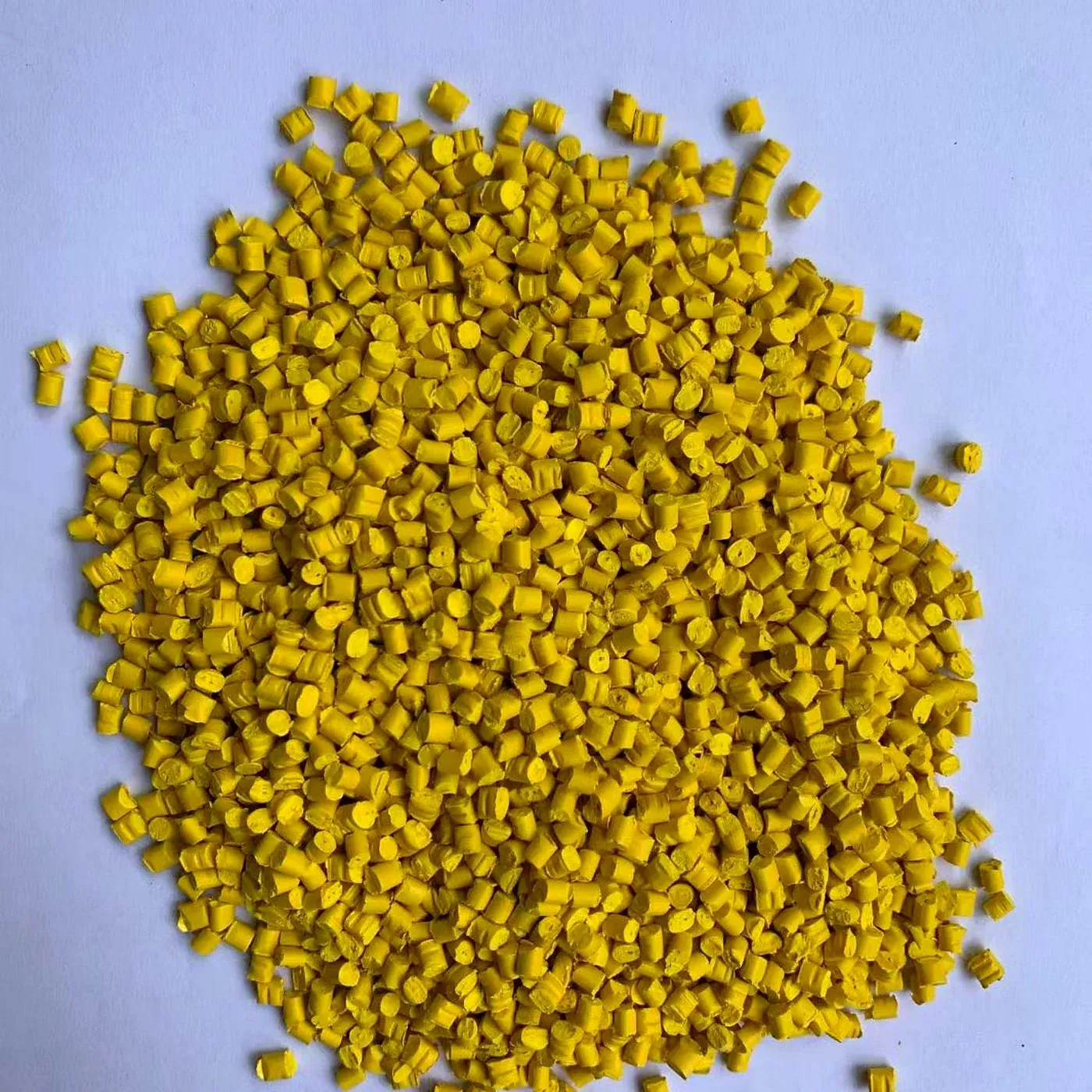
Thin-wall HV feeder grade: EM6098A-SL
EM6098A-SL is a 150 °C low-smoke halogen-free, irradiation cross-linked thin-wall compound aimed at EV internal high-voltage feeder cables and thin-wall automotive wire at 6 mm² and below. Its property set reflects the HV feeder duty directly:
- Temperature class — 150 °C continuous, with no crack and no copper exposure after 240 hours of ageing at 175 °C, and a passing thermal-shock result at 200 °C for 1 hour.
- Mechanical strength — 23.2 MPa tensile strength after irradiation, with a high 528 % elongation, and Shore A 98 hardness for a tough thin wall.
- Abrasion and fluid — passes scrape abrasion at 7 N and the QC/T 1037-2016 fluid-resistance suite; high-temperature pressure at 150 °C for 4 hours passes.
- Low-temperature integrity — no crack or copper exposure after low-temperature bending at -40 °C for 4 hours.
The high hardness and thin-wall toughness are exactly what an HV feeder needs where wall thickness is minimised to save weight and space.
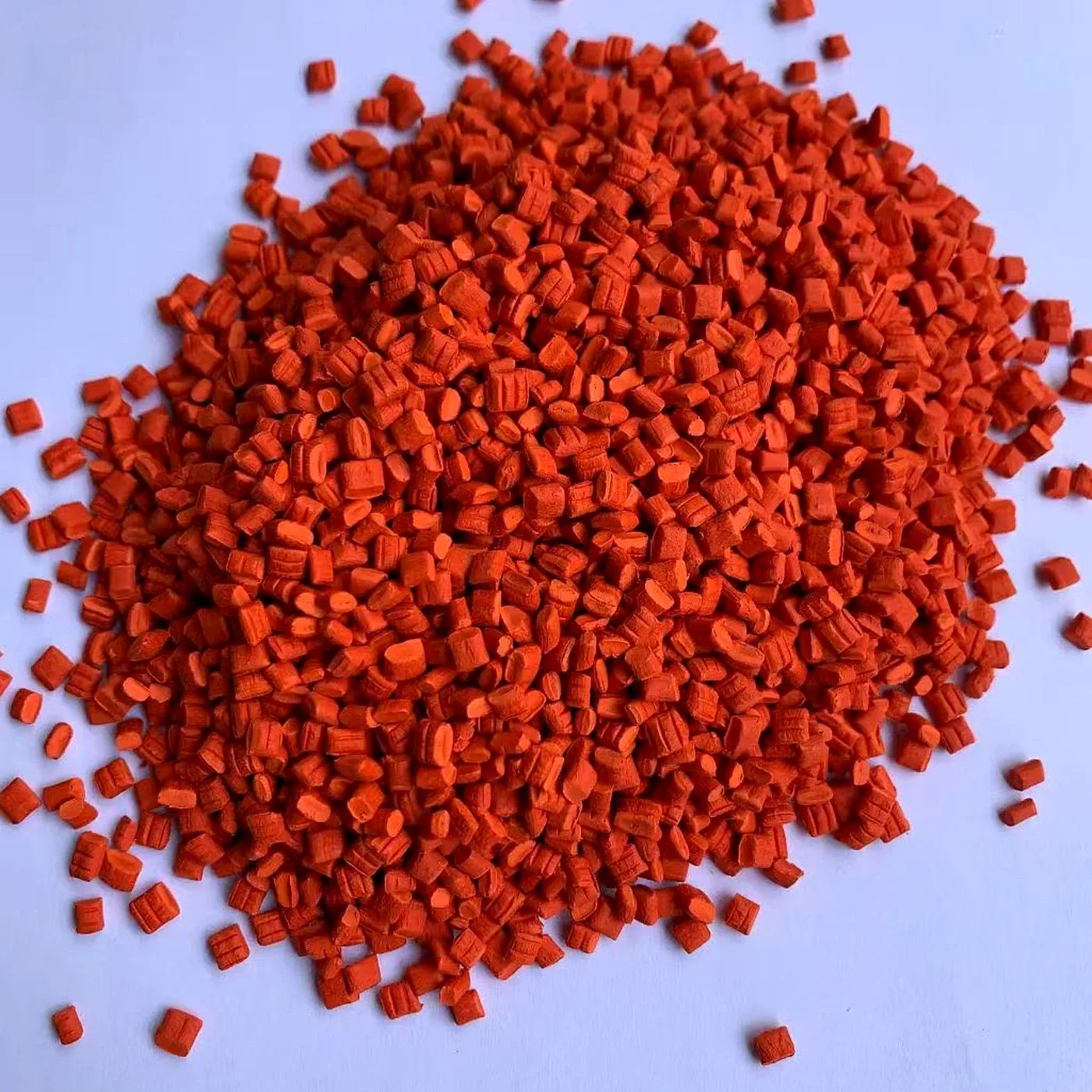
Oil-resistant flexible grade: HZD2720-EV
Where the priority is flexibility and oil exposure rather than maximum hardness, HZD2720-EV is the better match. It is a 125 °C oil-resistant, low-smoke halogen-free cross-linked compound with a soft Shore A 77 feel for easier routing. Its standout numbers are a high 42 % oxygen index for strong flame retardancy, a low toxicity index of 1.8, and controlled property change after oil immersion: tested in #20 oil at 100 °C for 70 hours, tensile strength changes 25 % and elongation only 11 %. That makes it well suited to oil-exposed rolling-stock, locomotive and vehicle wiring, and to flexible flame-retardant control cables.
Grade comparison
| Property | EM6098A-SL | HZD2720-EV |
|---|---|---|
| Role | Thin-wall HV feeder / ≤ 6 mm² automotive wire | Flexible, oil-exposed wiring |
| Temperature rating | 150 °C | 125 °C |
| Hardness | Shore A 98 (tough) | Shore A 77 (flexible) |
| Tensile strength | 23.2 MPa (after irradiation) | 11.8 MPa |
| Elongation at break | 528 % | 168 % |
| Oxygen index | — | 42 % |
| Oil resistance | QC/T 1037-2016 fluid suite | #20 oil: TS +25 %, EB +11 % |
| Flame reference | IEC 60332-1, vertical flame | IEC 60332-1 / UL1581 single vertical flame |
| Target standards | ISO 6722-1:2011, QC/T 1037-2016 | GB 12528.11:2003 |
| Irradiation dose | 6-10 Mrad (do not exceed 10) | 150-180 kGy (15-18 Mrad) |
Processing notes specific to automotive grades
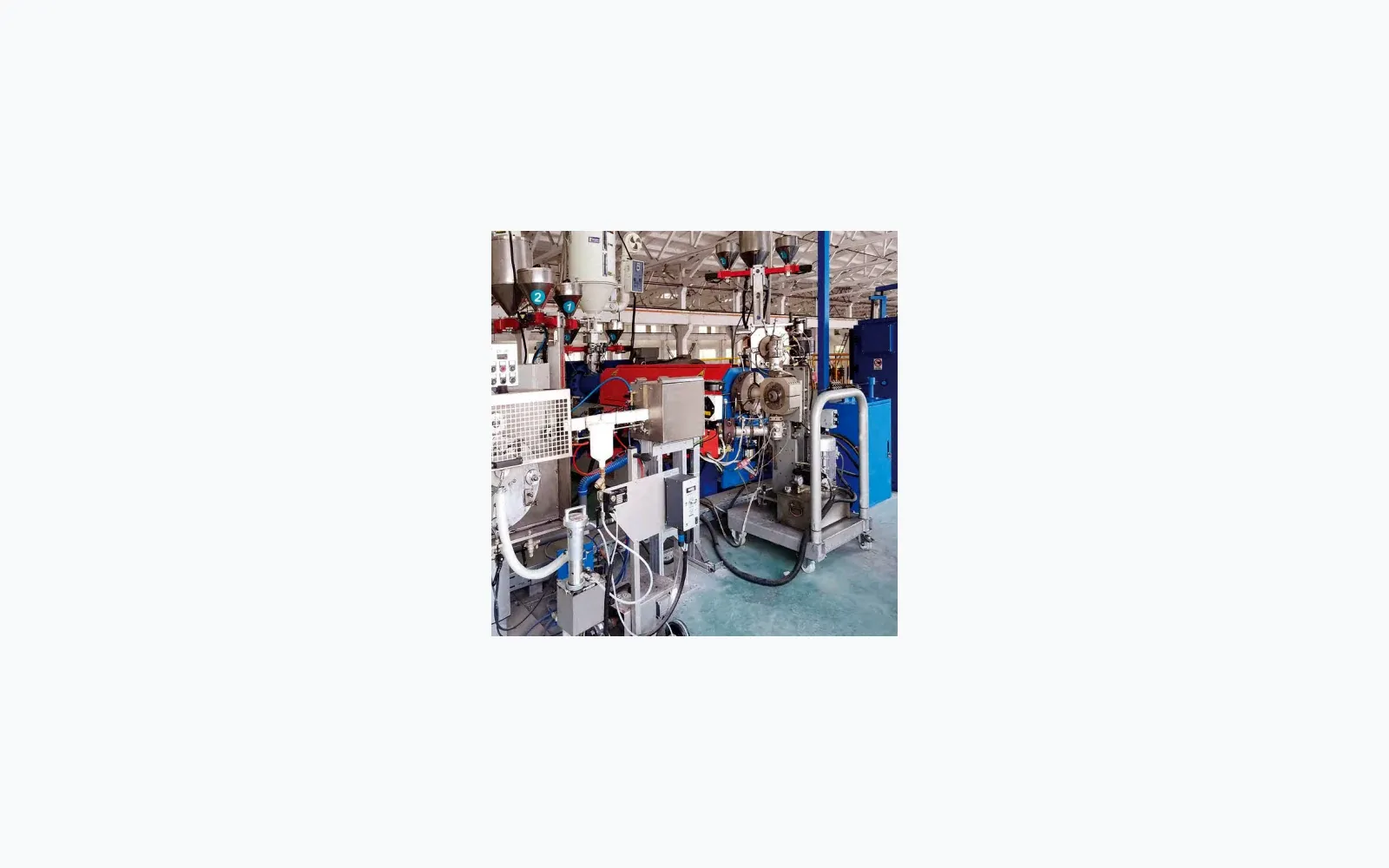
Thin-wall automotive insulation leaves little margin for error, so the line setup matters as much as the compound:
- Conductor pre-heat. EM6098A-SL benefits from pre-heating the copper conductor before the die; this preserves elongation and bond quality on a thin wall.
- Hold the irradiation window. EM6098A-SL should be dosed at 6-10 Mrad and not above 10, because over-dosing a thin wall embrittles it. HZD2720-EV by contrast is dosed harder, at 15-18 Mrad, to reach its rated properties. The two are not interchangeable on the beam.
- Screw and screens. Both run on a φ45-150 single-screw line with L/D ≥ 20 and a 20 / 80 / 20 screen pack; EM6098A-SL tolerates a compression ratio up to about 3.5 given its formulation.
- Verify after cross-linking. Check hot-set or gel content to confirm the wall has reached its target cross-link density before approving production.
Choosing between them
If the application is a weight-critical, thin-wall HV feeder needing the highest temperature class and scrape resistance, start with EM6098A-SL. If it is a flexible harness or control cable where oil exposure and a soft bend radius dominate, and 125 °C is sufficient, start with HZD2720-EV. Many vehicle platforms use both, one for the rigid HV runs and one for the flexible branches.
Talk to our engineers
LSZH offers halogen-free thin-wall and oil-resistant automotive compounds engineered against ISO 6722, QC/T 1037 and related standards. Tell us your conductor size, wall thickness, temperature class and the fluids the cable will meet, and our engineers will recommend a grade, provide the technical data sheet, and arrange samples for your qualification programme. Contact us to discuss your EV cable project and request a quotation.
Key takeaways
- EV high-voltage cable insulation must combine a high temperature class, oil and scrape resistance, low-temperature flexibility and halogen-free flame performance.
- EM6098A-SL is a 150 °C thin-wall halogen-free grade for HV feeder and ≤ 6 mm² automotive wire, targeting ISO 6722-1:2011 and QC/T 1037-2016.
- HZD2720-EV adds strong oil resistance and a 42 % oxygen index for flexible, oil-exposed rolling-stock and vehicle wiring.
- Thin-wall automotive grades need careful processing; pre-heat the conductor and keep the irradiation dose within the specified window.