Processing Guide for LSZH Compounds
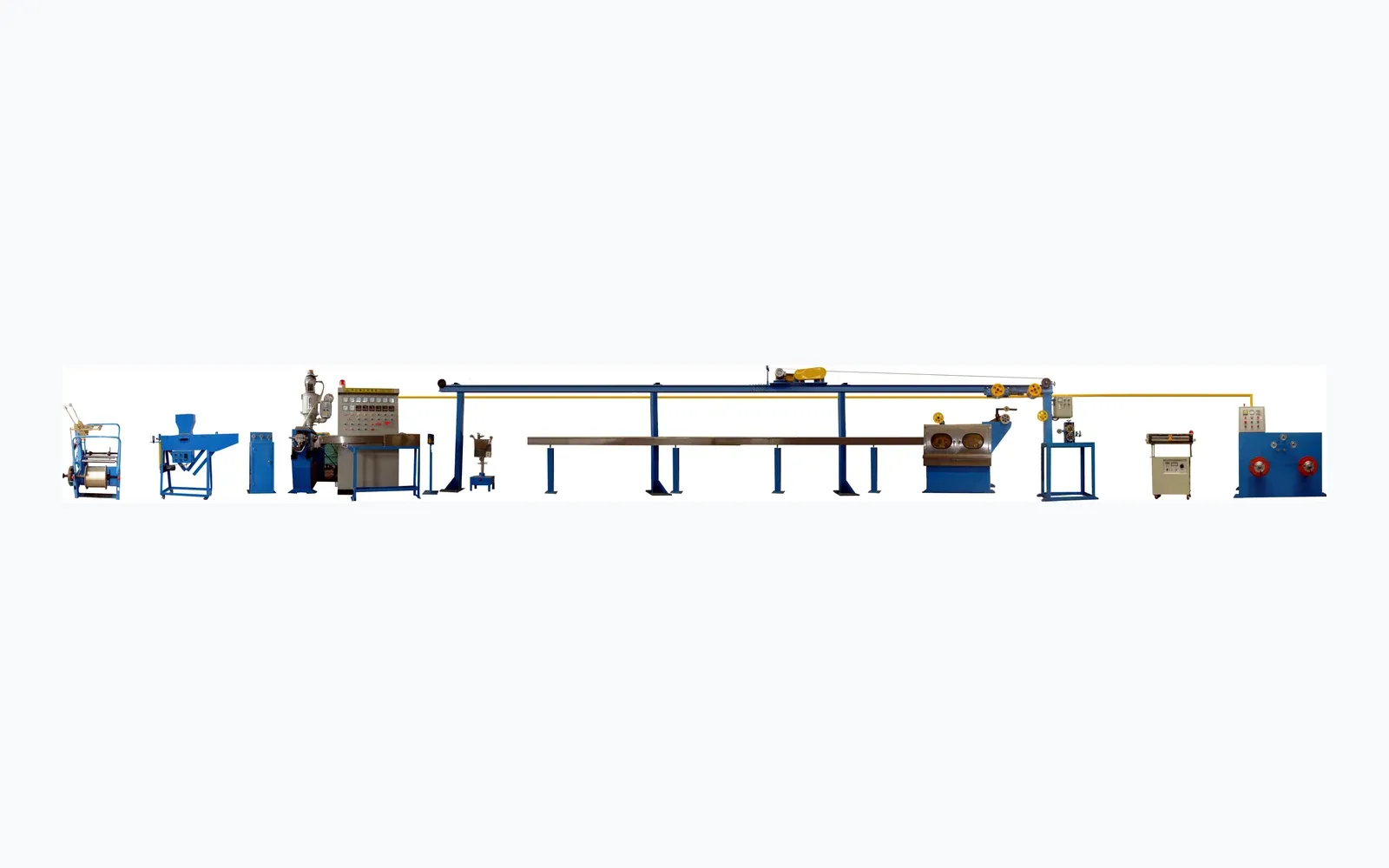
Mineral-filled halogen-free compounds extrude differently from PVC. This guide covers drying, screw and compression-ratio choices, temperature profiles and irradiation cross-linking.
Why LSZH runs differently from PVC
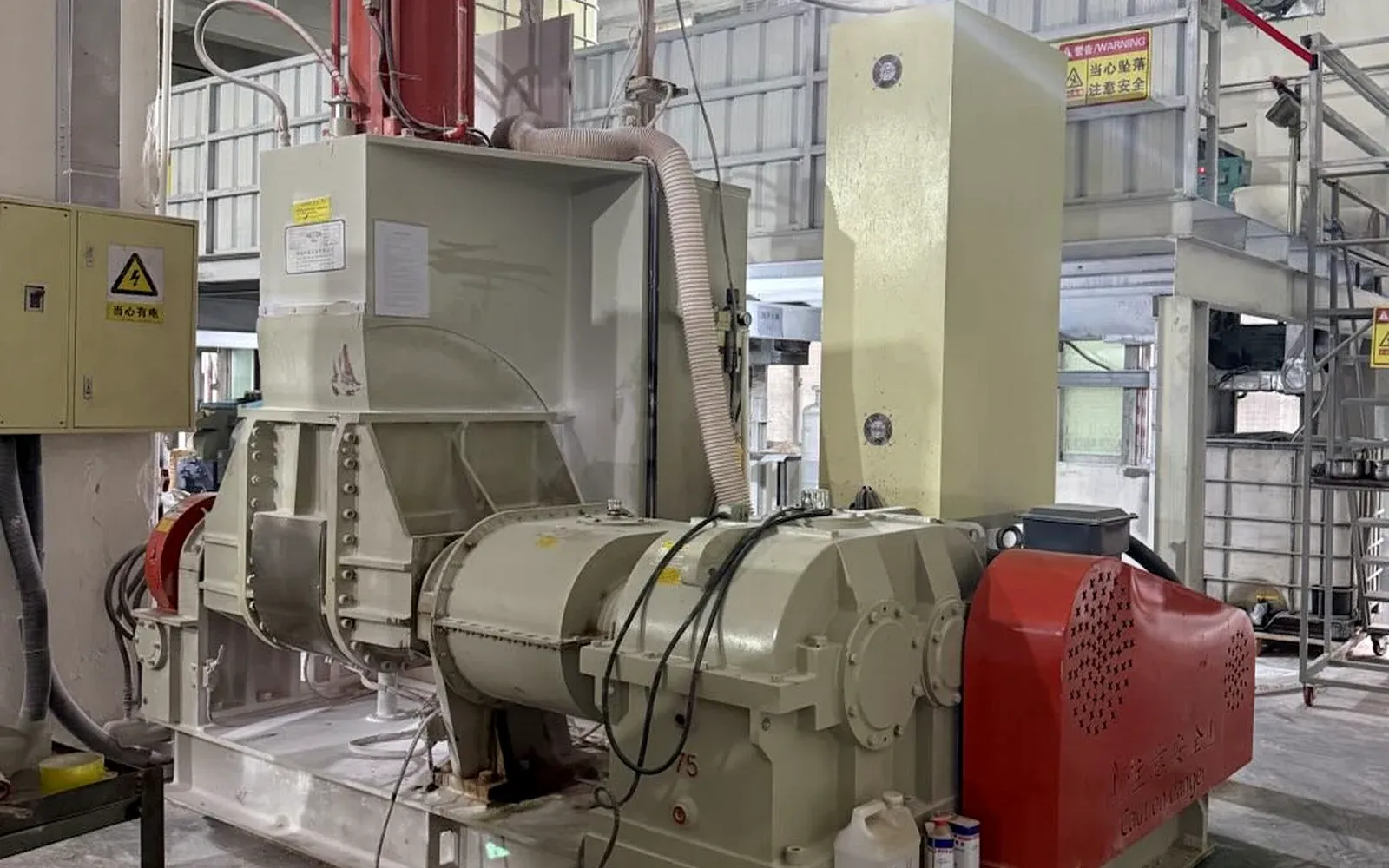
Low-smoke halogen-free compounds get their flame performance from mineral flame retardants rather than from halogens. That mineral loading changes how the material behaves on the line. Filled polyolefins are more sensitive to shear heating, can pick up surface moisture, and demand tighter control of the melt temperature to give a smooth, round surface. A line set up for PVC will usually run an LSZH grade, but only after the screw, screens, temperatures and (for cross-linked grades) the irradiation step are matched to the compound. The good news is that LSZH grades such as HZD2720-L are designed to extrude cleanly on standard PVC single-screw lines once those settings are right.
Step 1 — Conditioning and drying
Surface moisture on a filled compound shows up as porosity, a rough surface or pinholes in the wall. Store material sealed, and pre-dry where the data sheet specifies it. XD2200, for example, is dried at 80 °C for 2-4 hours before use. Even when a grade does not mandate drying, keeping the feed throat clean and the material covered avoids picking up condensation, which matters most on thin walls and high line speeds.
Step 2 — Screw and compression ratio
The headline rule for filled LSZH compounds is keep the compression ratio low. A high-compression screw generates shear heat that can scorch the flame-retardant package and degrade the surface. Use a dedicated halogen-free screw where possible:
- HZD2720-L: compression ratio below 2.5
- XD2200: compression ratio below 2.0
Length-to-diameter ratio should be at least 20 (XD2200 tolerates 18-25) so the melt is fully homogenised before the die. A recommended barrel range of φ45-150 covers most insulation and sheathing duties. Gentle, even conveying beats aggressive shear every time with these materials.
Step 3 — Temperature profile
Read the profile from the specific grade; do not assume one LSZH setting fits all. Two grades from the same family can want very different die temperatures because their polyolefin bases and additive packages differ. Below, note that XD2200 runs roughly 40 °C hotter at the die than HZD2720-L.
| Setting | HZD2720-L | HZD1610 | XD2200 |
|---|---|---|---|
| Material class | 125 °C XLPO insulation | 125 °C heat shrink master | 125 °C cross-linkable polyolefin |
| Recommended screw | φ45-150 single screw | φ45-150 single screw | φ45-150 single screw |
| L/D ratio | ≥ 20 | ≥ 20 | 18-25 |
| Filter screen (mesh) | 20 / 80 / 20 | 20 / 80 / 20 | 40 / 80 / 40 |
| Feed / transport / melt / die (°C) | 110 / 125 / 140 / 140-150 | 120 / 130 / 140 / 140-150 | 145 / 180 / 185 / 185-190 |
| Pre-drying | Not specified | Not specified | 80 °C, 2-4 h |
| Irradiation dose | 100-140 kGy (10-14 Mrad) | 100-130 kGy (10-13 Mrad) | 10-12 Mrad |
Start at the middle of each band, watch the melt pressure and surface, then fine-tune. If the surface is rough or matte, the melt is usually too cold or the screens are loading up; if you see discolouration or a smell, the melt is too hot or residence time is too long.
Step 4 — Screens, die and surface finish
The specified filter pack (for example 20 / 80 / 20 for HZD2720-L, or 40 / 80 / 40 for XD2200) does two jobs: it filters contamination and it builds enough back pressure for a homogeneous melt. Keep the die land polished and correctly sized for the wall; a clean die and the right melt temperature are what give the smooth, round, colourable surface these grades are capable of. Change screens before they blind off rather than chasing pressure up.
Step 5 — Irradiation cross-linking
Thermoplastic LSZH grades such as HZDFR4100 are finished at the die. Cross-linked grades are not: they leave the extruder thermoplastic and develop their temperature rating and deformation resistance in a separate electron-beam irradiation pass. The absorbed dose controls the degree of cross-linking (gel content):
- HZD2720-L: 100-140 kGy (10-14 Mrad)
- HZD1610 heat shrink master: 100-130 kGy (10-13 Mrad)
- XD2200: 10-12 Mrad
Under-dosing leaves the cable short of its rated temperature class and deformation resistance; over-dosing embrittles the wall and can cut elongation. Dose to the data sheet, verify with a hot-set or gel-content check, and keep the beam energy matched to the wall thickness so the cross-link density is uniform from surface to conductor.
Quick troubleshooting
- Rough or matte surface — melt too cold, screens loading, or moisture; raise the front zones slightly and check drying.
- Porosity or pinholes — moisture or trapped air; pre-dry and reduce excessive shear.
- Discolouration or odour — melt too hot or residence too long; lower the rear zones and avoid stalls.
- Cable fails hot-set after irradiation — dose too low or uneven; confirm beam dose and pass count.
Talk to our engineers
Every line is a little different, and the right starting point depends on your screw, screens and downstream layout. LSZH can share the recommended processing window for each grade, help you dial in a temperature profile, and advise on irradiation dose for the cross-linked materials. Send us your line details and the grade you are evaluating, and we will provide the technical data sheet and a sample for your own trials, along with a quotation.
Key takeaways
- LSZH compounds are mineral-filled and moisture-sensitive; pre-dry where the data sheet calls for it and keep a low compression ratio to limit shear heat.
- Read the temperature profile from the actual grade. HZD2720-L runs a 140-150 °C die while XD2200 needs 185-190 °C; they are not interchangeable settings.
- Use the specified filter screen pack and an L/D of at least 20 for a clean, round surface finish.
- Cross-linked grades develop their temperature rating in the electron-beam step; dose to the data sheet (for example 10-14 Mrad for HZD2720-L).
Materials referenced in this guide
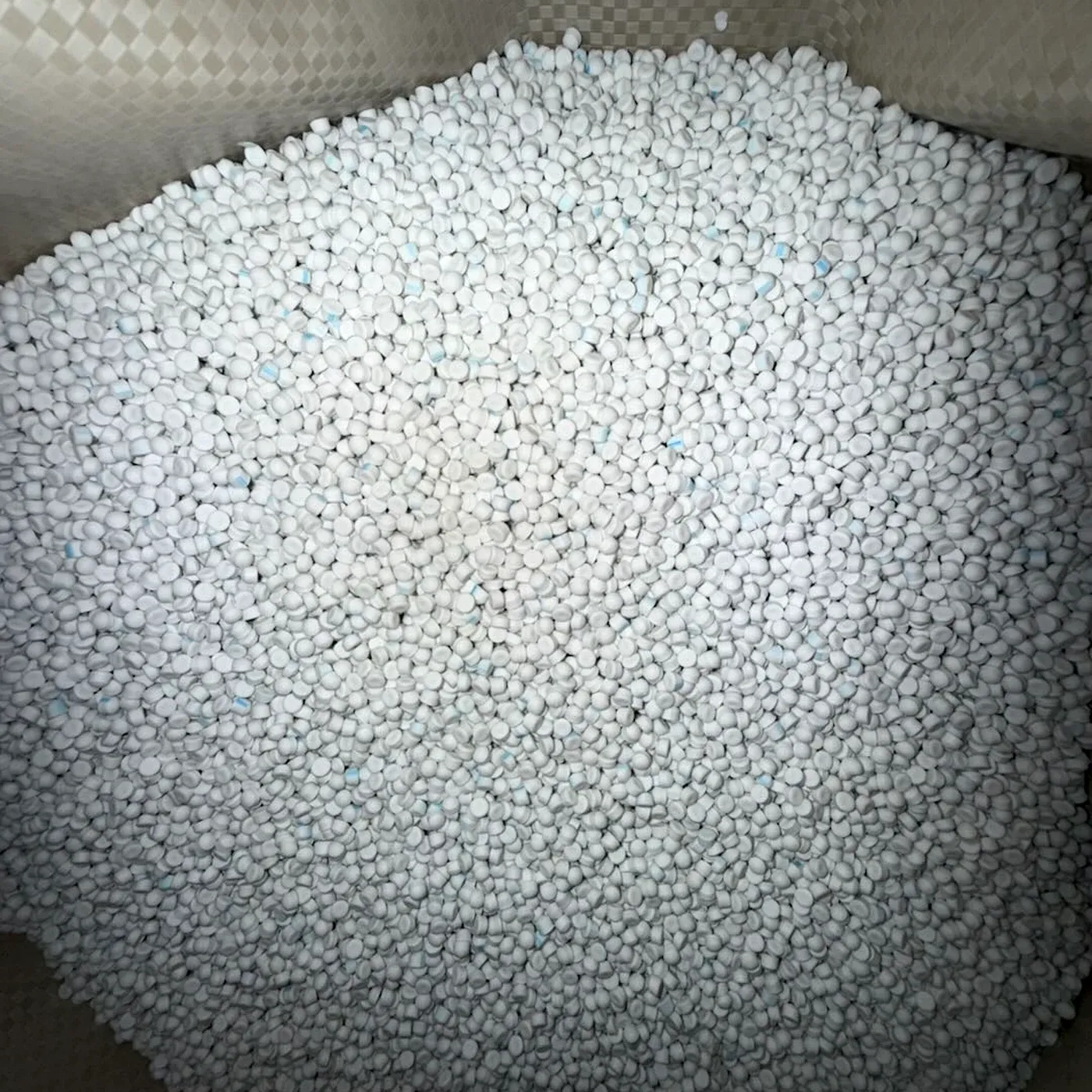
HZD2720-L
125 °C low-smoke halogen-free cross-linked polyolefin cable compound
View product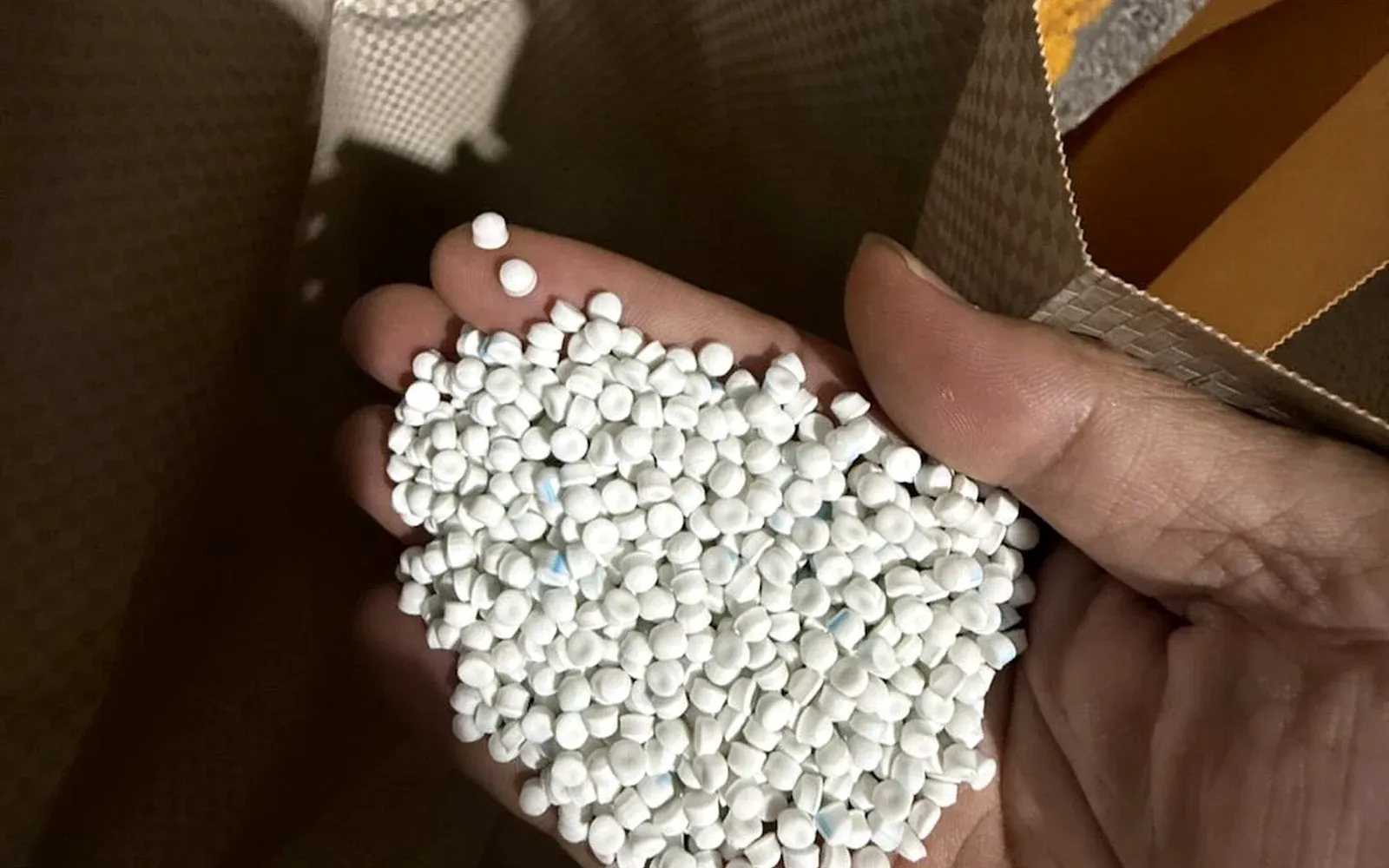
HZD1610
125 °C irradiation cross-linked flame-retardant heat shrink tube compound
View product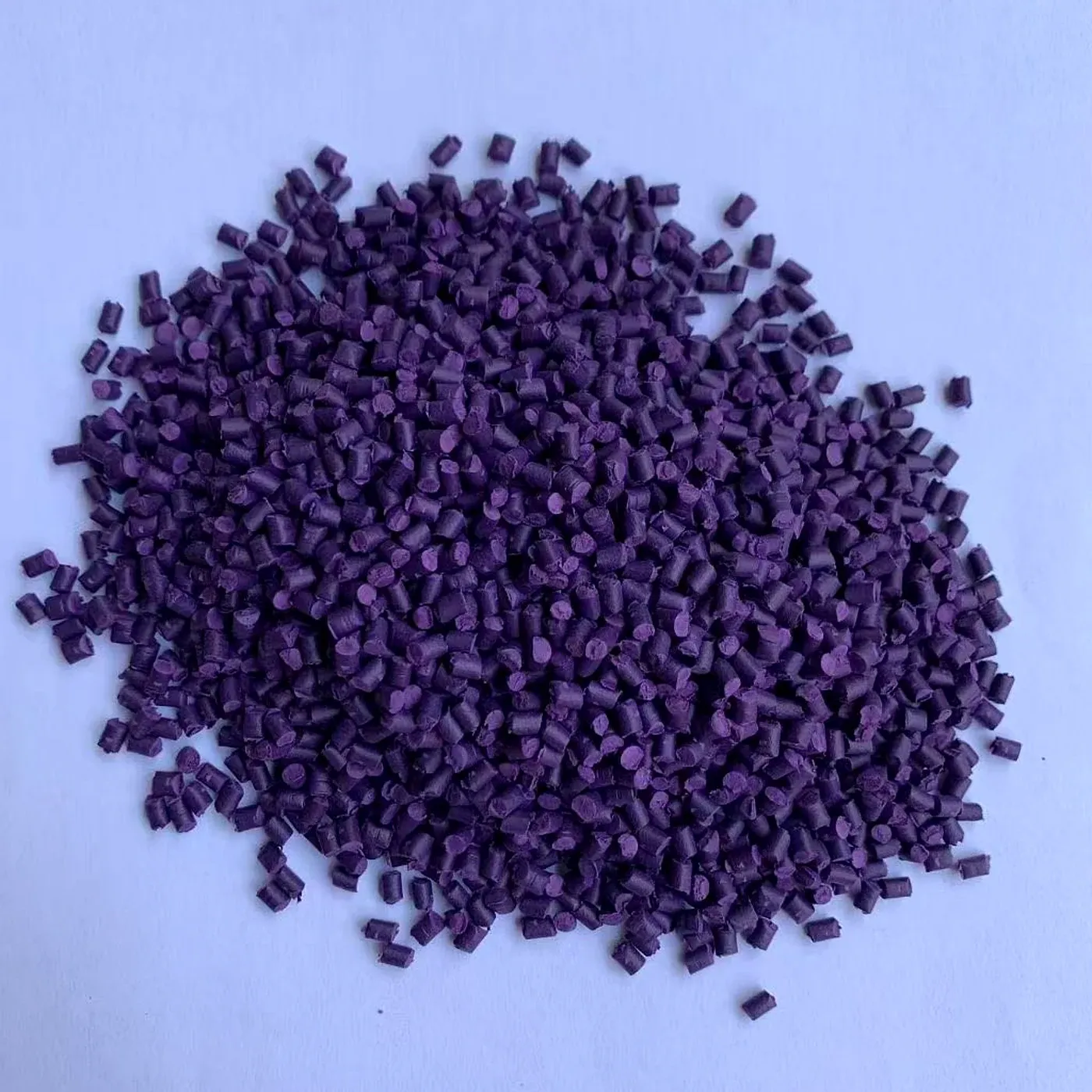
XD2200
125 °C low-smoke halogen-free polyolefin wire compound
View product